

Your home is likely your largest financial asset, yet it is a mistake to view it as a permanent, self-sustaining structure. A house is a complex ecosystem of interconnected systems, and when one component fails, it impacts other areas. Waiting for a system to break before addressing it is expensive. Reactive maintenance often costs more than proactive upkeep due to emergency repairs involving premium labor rates, expedited shipping fees, and additional damage.The challenge for homeowners is not willingness, but the volume of tasks required. Managing daily life makes it easy to forget about a house’s hidden mechanics until something breaks. By focusing on core functional zones, we provide a detailed blueprint to prioritize high-impact tasks, lower operational costs, protect long-term equity, and ensure your living space is a safe sanctuary for your family.
Calibrate Your Heating Systems Before the First Freeze

As the autumn months wind down, your heating system faces an abrupt transition from complete dormancy to continuous operation. Taking a few proactive steps before freezing temperatures set in will prevent structural damage caused by frozen plumbing pipes and eliminate the risk of mid-winter system failures.
- Inspect Intake and Exhaust Vents: Walk around the exterior perimeter of your home to locate all plastic PVC termination vents. Ensure that falling leaves, bird nests, or insects have not obstructed these pipes, as a blockage will cause the system to shut down instantly for safety reasons.
- Test the Thermostat Anticipator: If you use an older mechanical thermostat, verify that the internal cyclic mechanism is properly leveled. For modern digital thermostats, replace the backup batteries annually to prevent a sudden loss of communication with your heating unit during a cold snap.
- Monitor the Flame Profile: For combustion-based heating systems, look through the sight glass while the burner is active. A healthy flame should always be a steady, crisp blue color. If you notice a flickering yellow or lazy orange flame, it indicates incomplete combustion, which requires immediate furnace repairs by a certified professional to prevent the buildup of carbon monoxide gas.
Boost Airflow Efficiency and Lower Monthly Energy Bills
Airflow is the lifeblood of your entire climate control network. When static pressure inside the system rises due to restrictions, your equipment must work twice as hard to move conditioned air throughout the house, leading to premature mechanical wear and skyrocketing electric bills.
- Optimize Your Filter Selection: Check your air filters every thirty days. While it is tempting to purchase the highest Minimum Efficiency Reporting Value filter available, excessively dense filters can actually choke your system. For standard residential setups, aim for a balanced MERV rating between eight and eleven.
- Clean the Outdoor Condenser Coil: Cut the power at the outdoor disconnect box and use a gentle garden hose to spray down the condenser fins from the inside out. This flushes away trapped grass clippings, cottonwood seeds, and dirt that insulate the coils and prevent heat transfer.
- Straighten Bent Aluminum Fins: Use a specialized fin comb to carefully realign any crushed sections of the exterior coil face. Squashed fins block ambient air from passing over the refrigerant lines, which drastically diminishes the overall effectiveness of your air conditioner services during peak summer weather.
Eliminate Trapped Allergens and Dust From Your Ventilation Network
The air inside the average modern home can be significantly more polluted than outdoor air, largely because tight construction practices trap airborne particulates inside. Over time, your supply and return ductwork acts as a collection basin for skin cells, pet dander, drywall dust, and textile fibers.
- Perform a Duct Visual Inspection: Remove a few floor or wall registers and extend a digital camera or smartphone into the boot to take a high-flash photograph of the interior channel. If you observe thick, fuzzy blankets of dust or debris clinging to the sheet metal walls, it is time to schedule a thorough air duct cleaning.
- Seal Supply Duct Joints: Inspect exposed ductwork in your attic, basement, or crawlspace for loose connections or failing mastic tape at the joints. Sealing these gaps prevents unconditioned air from entering living spaces and ensures conditioned air reaches its destination.
- Check Register Velocity: Ensure that furniture, rugs, or heavy drapes are not blocking your return air grilles. Restricting these registers disrupts the balanced pressure loops your system relies on, leading to uneven temperatures across different rooms.
Prevent Mold Growth in High-Moisture Structural Zones
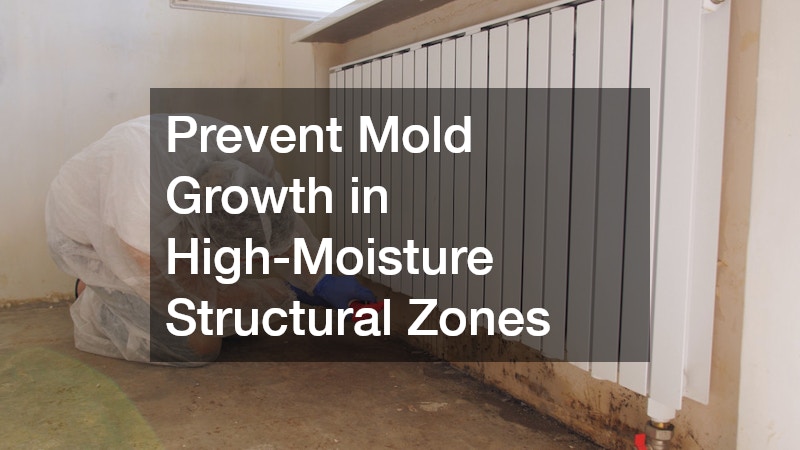
Moisture is the single greatest threat to a building’s structural integrity and the respiratory health of its occupants. When warm, humid air comes into contact with cool, uninsulated surfaces, condensation forms, creating an ideal breeding ground for biological fungal growth.
- Monitor Sub-Floor Humidity Levels: Place digital hygrometers in your basement or crawlspace to monitor atmospheric moisture. Ensure the relative humidity stays below sixty percent. If it exceeds this, install a commercial-grade dehumidifier connected directly to a floor drain.
- Inspect the Rim Joists: Examine where your home’s wood framing meets the concrete foundation. Look for dark spots, powdery white mineral deposits known as efflorescence, or a damp smell. Catching these early allows you to address the source before extensive mold remediation is needed.
- Verify Bathroom Fan Termination: Crawl into the attic while the bathroom exhaust fans are running. Ensure that the flexible ducting vents entirely through the roof or a soffit to the outdoors, rather than dumping moist air directly into the open attic space where it will rot the roof decking.
Audit Your Roof for Weak Points Before Storm Season
Your roof is your home’s primary line of defense against gravity, wind, and precipitation. A small, ignored leak can quietly decay structural plywood sheathing, destroy fiberglass insulation batts, and ruin finished ceiling drywall long before a water spot becomes visible inside your living room.
- Conduct a Ground-Level Binocular Sweep: You don’t need to climb a tall ladder to evaluate your roof. Step into your yard with high-powered binoculars and scan for missing, curling, or severely buckled shingles. Pay attention to the valleys, as these high-volume water channels are prone to wear.
- Examine Flashing and Plumbing Boots: Look closely at the metal or rubber seals surrounding your plumbing stack pipes, attic vents, and chimney walls. Sunlight degrades rubber boots over time, causing them to crack and split at the base, creating a direct pathway for rainwater.
- Evaluate Gutter Alignment and Pitch: Ensure your gutters slope downward toward the downspouts at a rate of one-quarter inch for every ten feet of horizontal run. If gutters pull away from the fascia or hold standing water, consult a qualified roofer to correct the pitch and prevent ice damming.
Maintain Ventilation and Clear Dangerous Creosote Accumulation
A wood-burning fireplace provides exceptional warmth and ambiance, but it requires diligent maintenance to prevent catastrophic structural fires. As wood burns, uncombusted gases cool as they rise through the flue, condensing into a highly flammable byproduct on the interior masonry or metal liner.
- Identify Creosote Stages: Shine a powerful flashlight up your open flue damper to inspect the interior walls. Stage one creosote looks like light, powdery soot. Stage two forms thick, crunchy black flakes. Stage three is a dense, glazed, mirror-like tar that is incredibly volatile and requires professional chimney cleaners to dissolve.
- Test the Fireplace Damper Seal: Open and close your chimney damper several times to ensure it moves smoothly and forms a tight seal when closed. A warped or poorly fitting damper acts like an open window, allowing heated indoor air to escape when the fireplace is not in use.
- Verify Spark Arrester Integrity: Climb up safely or look from the ground to confirm that the wire mesh screen on top of your chimney cap is intact. This screen prevents burning embers from floating onto your shingles while keeping birds, squirrels, and raccoons from nesting inside the flue.
Test Mechanical Counterbalances to Avoid Heavy Overhead Hazards

The largest moving mechanical object in the average home is the overhead garage door. Because these heavy doors operate under immense tension supplied by high-cycle torsion springs, a failure in the tracking, cables, or safety mechanisms can cause severe property damage or physical injury.
- Perform a Manual Balance Test: Close your garage door and pull the red emergency release cord to disconnect it from the opener. Lift the door manually halfway and let go. If it’s balanced, it will hover; if it shuts or shoots up, the spring tension is incorrect.
- Inspect Lift Cables for Fraying: Inspect the bottom brackets on both sides of the door where the steel lift cables attach. Check the cables for snapped or unraveled wires, indicating a need for professional garage door services to replace them safely.
- Test the Electronic Photo-Eye Reversal: Open the door fully, activate the wall switch to close it, and place an object like a block of wood or a large cardboard box in the path of the infrared beam at the base of the tracks. The door should reverse direction upon detecting the obstruction.
Monitor Pressure Gauges and Storage Delivery Systems
For properties that rely on localized liquid petroleum gas for heating, cooking, and hot water, proper storage tank oversight is a vital component of seasonal property management. Managing your fuel reserves properly keeps your appliances running smoothly and protects your home from fuel line interruptions.
- Track Your Storage Volume: Regularly walk out to your exterior bulk storage tank and lift the protective metal hood to inspect the dial gauge. Try to coordinate your deliveries so that you request a refill when the tank level hovers around thirty percent, and never let it drop below twenty percent, as low levels can allow ambient moisture to accumulate in the base of the tank.
- Maintain Exterior Regulatory Clearance: Keep a clear three-foot radius around your storage tank and its primary regulator valve assembly. During heavy winter storms, clear away accumulated drifts of snow and ice by hand rather than using a sharp shovel, which could accidentally puncture or snap the brass fittings or vent ports.
- Understand the Chemical Additive Odor: Liquid fuel is naturally completely odorless, but distributors infuse it with an organic sulfur compound called mercaptan to give it a distinct smell resembling rotten eggs or boiling cabbage. Ensure everyone in your household knows this odor so they can immediately exit the property if a leak develops in your propane service lines.
Optimize Natural Light Distribution and Thermal Efficiency
Window treatments are often viewed purely as decorative elements, but they play a pivotal role in regulating your home’s microclimate. By controlling solar heat gain and providing an additional layer of dead-air insulation over single or double-pane glass, your window coverings directly impact your monthly cooling costs.
- Clean Internal Gear Tracks: For horizontal or vertical slat systems, vacuum away dust accumulation along the upper headrails every six months. Apply a very light dusting of dry silicone spray lubricant to the gear mechanisms to ensure smooth tilting and traversing without putting undue stress on the control cords.
- Inspect Cord Tensioners and Safety Cleats: Ensure all continuous loop cords are firmly anchored to the window frame using heavy-duty safety retention clips. Loose, dangling cords present a severe strangulation hazard for small children and pets, and keeping them taut prevents the cords from tangling or binding within the internal pulleys.
- Utilize Thermal Barriers Strategically: During hot summer afternoons, completely close your western and southern window treatments to block radiant heat transfer. Upgrading to heavy-duty cellular styles or using specialized blind services to source custom-fit insulative treatments can reduce total solar heat infiltration by up to eighty percent, relieving stress on your cooling system.
Establish a Screening Protocol for Professional Mechanical Contractors

While a homeowner can easily handle basic tasks like swapping air filters or cleaning out window tracks, major mechanical diagnostics require specialized training, expensive diagnostic instrumentation, and proper EPA certifications. When vetting local businesses to manage your home’s mechanical equipment, establishing a rigorous screening process ensures you get high-quality workmanship at a fair price.
- Verify Professional Certifications: When looking into a company’s credentials, ask if their individual on-site technicians hold industry-recognized validations such as North American Technician Excellence certification. This ensures the person diagnosing your equipment has passed rigorous, standardized testing.
- Demand Proof of Comprehensive Insurance: Never allow a technician to perform work on your property until you have verified they carry both active worker’s compensation insurance and a minimum of one million dollars in commercial general liability coverage, protecting you from personal financial liability if an accident occurs on your roof or in your basement.
- Request Detailed Line-Item Estimates: Avoid companies that offer vague, all-inclusive verbal quotes. A reputable provider representing professional HVAC companies will supply a clear, written breakdown listing exact part numbers, estimated labor hours, and specific diagnostic fees before turning a single wrench on your equipment.
Managing a home requires regular attention, careful observation, and proactive prevention to avoid major issues. Protect your financial equity and create a safer, efficient living environment by following the step-by-step strategies for your structural, mechanical, and utility systems. Take a systematic approach: examine one zone over the coming days, establish a seasonal routine, and build a network of certified professionals for technical tasks. Your efforts will result in lower utility bills, fewer disruptions, and lasting structural durability.
