

Having an offer accepted on a house is an exciting milestone, but entering escrow marks the start of the most critical phase in the entire home-buying journey. Rather than treating this window as a passive waiting period, a successful purchase requires an active, structured investigation into the property’s true physical condition before deadlines expire and you are locked into costly deferred maintenance. Taking a methodical approach to your due diligence—from scheduling specialized evaluations of the roofline, gutters, and foundation to coordinating closely with experienced settlement professionals—gives you the factual leverage needed to request essential repairs, negotiate seller credits, and protect your earnest deposit. Managing each milestone step by step balances financial safeguards with practical trade inspections, turning an overwhelming paperwork marathon into a clear, confident path toward lasting homeownership.

Protecting Earnest Deposits and Managing Contractual Milestones
Once both parties sign the purchase agreement, the very first logistical step is moving the buyer’s earnest money deposit out of personal accounts and into a secure, impartial holding environment. This deposit acts as a tangible sign of good faith, showing the seller that you have the financial ability and serious intent to proceed with the transaction. However, handing over thousands of dollars directly to a seller before inspections take place would expose a buyer to immense financial vulnerability if major structural defects were uncovered later.
Relying on established escrow services creates an essential neutral barrier that protects both buyer and seller under the strict instructions of the signed purchase contract. The neutral settlement custodian holds the earnest funds in a dedicated trust account, releasing them only when specific contractual conditions, inspection contingencies, and loan underwriting approvals are fully satisfied. They set the legal calendar in motion, establishing hard deadline dates for physical property inspections, appraisal submissions, and title clearances. Working within this structured financial framework ensures that your deposit remains completely safeguarded while you carry out the necessary physical audits of the property.
Navigating Regional Conveyance Rules and Title Verifications
Every municipality and county operates under distinct property tax structures, transfer ordinances, recording requirements, and real estate disclosure laws. A standardized national template simply cannot account for regional peculiarities, such as local environmental transfer assessments, municipal sewer lateral certifications, or regional historic preservation covenants. Furthermore, unexpected boundary disputes, unpaid contractor mechanics’ liens, or unrecorded utility easements tied to past owners can quietly cloud a property’s title and create legal headaches if not caught before settlement.
Partnering with reputable local escrow companies ensures that your transaction is handled by professionals who work within your specific regional legal landscape every single day. Experienced settlement officers pull detailed title abstracts to confirm that the seller holds clear, marketable ownership free of delinquent tax claims, undisclosed probate proceedings, or lingering legal judgments. They understand local recording fees, calculate exact prorated property taxes based on regional fiscal calendars, and ensure all statutory transfer disclosures are delivered on time. Working with a settlement team familiar with neighborhood precedents guarantees that your closing paperwork satisfies all municipal standards, giving you unclouded ownership from the moment the deed is stamped.
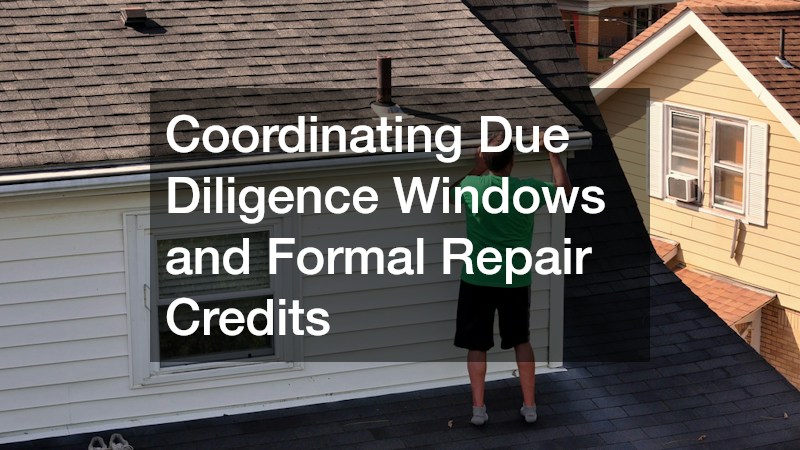
Coordinating Due Diligence Windows and Formal Repair Credits
As the physical inspection window winds down, communication between the buyer, seller, and closing agent becomes critical to keeping the transaction on schedule. When property evaluations reveal unexpected problems, buyers must formally decide whether to request that the seller complete repairs before closing, ask for financial credits toward closing costs, or seek a direct reduction in the purchase price. If these negotiations drag on past contractual contingency dates without formal written extensions, a buyer risks forfeiting their right to negotiate or even losing their earnest deposit.
Maintaining close contact with a dedicated local escrow service allows buyers to document repair agreements and financial adjustments properly within the closing instructions. If the seller agrees to issue a monetary credit or establish a post-closing repair holdback fund, the escrow officer drafts the official contract amendments required by mortgage underwriters. They make sure that negotiated repair allowances do not exceed lender-mandated closing credit limits, which could otherwise stall loan funding at the eleventh hour. Having an accessible, responsive settlement officer on hand ensures that all negotiated repair terms are legally binding, accurately accounted for on the final settlement statement, and executed smoothly.
Evaluating Overhead Shingle Condition and Penetration Flashing
While general home inspectors provide an excellent baseline evaluation of the property, their standard overview often involves observing the roofline from ground level with binoculars or taking a glance from the top of an extension ladder. A generalized inspection rarely uncovers the subtle signs of thermal cracking, micro-fissures in aged asphalt shingles, or dried-out rubber boots around plumbing vent pipes that let water seep into attic spaces during heavy rainstorms. Because roof replacements represent one of the single most expensive exterior investments a homeowner can face, a closer look during due diligence is essential.
Bringing in licensed roofers to perform a dedicated rooftop physical inspection allows experienced tradespeople to walk the slopes and evaluate the roof’s true remaining lifespan. Seasoned roof mechanics check the condition of step flashing nestled along chimney sidewalls, inspect valley metal for hidden corrosion, and test shingle flexibility to determine whether granules are loosening due to age. They can access the attic space to look for rusted decking nails, dark water stains on plywood rafters, and inadequate ridge ventilation that cooks shingles from below. An on-site evaluation by skilled roof specialists uncovers hidden water intrusion risks that standard reports miss, giving you the clear facts needed to negotiate before your contingency period expires.
Securing Legitimate Bids to Guide Transaction Negotiations
Discovering that a home requires substantial exterior repairs can feel alarming, but in real estate negotiations, vague descriptions of damage carry very little weight with sellers and their listing agents. Simply stating that a roof looks old or worn rarely convinces a seller to lower their price or hand over thousands of dollars in credits. Sellers naturally push back against speculative claims, often dismissing informal opinions as normal cosmetic wear that comes with purchasing an existing home.
Obtaining a comprehensive written estimate from an established roofing company provides the professional scope-of-work bid, itemized materials pricing, and labor breakdown required for successful negotiations. A formal inspection certificate and estimate from a credentialed contractor serves as objective proof of the property’s physical condition, making it difficult for sellers to dismiss the findings. Whether you are asking the seller to complete a full tear-off before closing or requesting an equivalent dollar credit at the settlement table, an official written bid anchors your request in real-world numbers. Backing up your repair requests with professional documentation keeps negotiations grounded and productive, helping you secure fair financial concessions before signing off on final contingencies.
Verifying Seam Integrity and Fasteners on Architectural Systems
In many modern neighborhoods and custom home builds, buyers encounter standing-seam panels, corrugated steel profiles, or stone-coated metal roof assemblies rather than traditional asphalt shingles. While these premium systems are celebrated for their decades-long longevity and fire resistance, inspecting them requires specialized tools and diagnostic knowledge that general inspectors do not possess. If an unqualified tradesperson walks improperly on specialized metal ribs or fails to recognize loose neoprene-gasket fasteners, they can cause surface dents or miss subtle water entry points along concealed seams.
Consulting an experienced metal roofing contractor during your inspection window ensures that high-value architectural metal installations are evaluated with the proper technical care. A metal specialist examines the concealed clips, checks panel expansion joints, and inspects transition flashing along dormers and clerestory walls for proper thermal movement allowances. They also verify that the original manufacturer warranties are still active and determine what paperwork is required to transfer that warranty coverage into your name upon closing. Having a dedicated specialist examine specialized metal surfaces protects your investment, ensuring that the roof’s long-term weatherproofing performance remains completely intact.
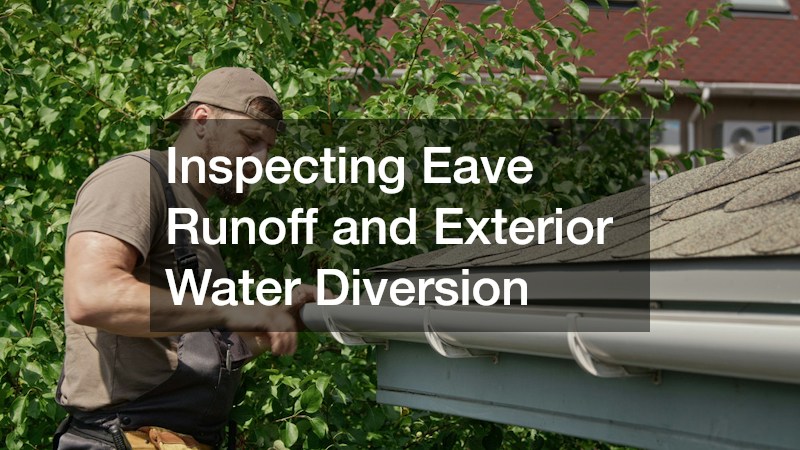
Inspecting Eave Runoff and Exterior Water Diversion
A home’s ability to handle rain is only as good as the system designed to catch roof runoff and carry it safely away from the exterior walls. When rainwater sheets off the roof, it must be captured cleanly along the eaves and channeled into downspouts that discharge several feet away from the foundation. If exterior drainage channels are clogged with years of decomposed leaves, rusted through at the corner miters, or pitched in the wrong direction, gallons of concentrated rainwater will overflow directly onto siding and collect around the base of the house.
Scheduling dedicated gutter services during the inspection window ensures that the entire exterior water diversion network is examined for structural alignment and carrying capacity. Technicians check fascia boards behind the eave troughs for hidden rot caused by back-splashing, verify that downspout outlets are sized appropriately for the roof’s surface area, and inspect underground drainage lines for root blockages. Identifying inadequate drainage paths early allows you to address exterior moisture issues before they have a chance to saturate surrounding soils.
Correcting Drainage Slope Defects to Meet Financing Standards
Beyond general home maintenance, exterior water drainage often becomes an unexpected hurdle during mortgage underwriting and final loan approval. Government-backed loan programs—such as FHA and VA mortgages—as well as conventional lenders have strict property condition requirements regarding exterior water shedding. If an appraiser notes that sagging eave troughs are causing water to pool against exterior foundation walls or that disconnected downspouts are eroding soil near footings, the lender will frequently issue a mandatory repair condition that must be resolved before loan funds can be released.
Executing timely gutter repairs satisfies lender safety requirements by realigning drooping spans, sealing leaking corner joints, and securing downspout extensions that route water well away from the foundation. Skilled technicians can quickly replace rotten fascia wood, install hidden screw-in hangers that reinforce sagging metal against winter snow loads, and re-pitch flat sections to ensure rainwater drains freely toward downspouts.
Diagnosing Foundation Seepage and Hydrostatic Wall Pressures
For homes with basements, crawlspaces, or ground-level living quarters, few inspection discoveries derail an escrow faster than signs of water intrusion beneath the soil line. As rainwater soaks into the soil surrounding a home, it creates hydrostatic pressure that pushes against concrete blocks and poured foundation walls. Over time, this constant pressure forces moisture through microscopic concrete pores, producing damp subfloor conditions, flaking white mineral efflorescence, rusted furnace bases, and persistent musty smells that signal hidden mold growth.
Prioritizing a comprehensive evaluation for basement waterproofing allows buyers to identify the root cause of subterranean moisture before closing on the property. A diagnostic specialist uses pinless moisture meters and thermal imaging to trace water migration paths, distinguishing between simple condensation from high indoor humidity and active foundation seepage caused by a failing exterior drainage membrane.
Implementing Sub-Grade Remediation to Clear Settlement Contingencies
When foundation moisture issues are uncovered during due diligence, resolving them requires engineered solutions rather than quick cosmetic cover-ups. Simply rolling waterproof paint over interior concrete walls traps moisture inside the masonry, accelerating concrete deterioration and doing nothing to relieve hydrostatic pressure beneath the floor slab. Lenders, title insurers, and cautious buyers require comprehensive subterranean drainage systems backed by transferable warranties to ensure the home remains dry through every season.
Working with a certified local basement waterproofer ensures that below-grade drainage issues are resolved with permanent, code-compliant systems designed for regional soil and water-table conditions. Qualified foundation mechanics install interior perimeter drain tile, cut weeping channels along the floor-wall joint, and set up heavy-duty cast-iron sump pump basins with battery-powered backup systems. They can encapsulate damp crawlspaces in thick, multi-ply vapor barriers, eliminating musty odors and stopping ground moisture from rising into the subfloor framing above. Completing proper foundation remediation clears final inspection contingencies cleanly, providing the long-term moisture protection needed to step across the closing threshold with complete confidence.
Closing on a new home is an exciting milestone, but getting there smoothly comes down to staying organized and paying attention to the details that matter most. It is easy to get caught up in the paperwork and the rush to get the keys, but taking the time to verify the roof overhead, check the gutters, and make sure the foundation is completely dry saves you from expensive surprises down the road.
